As water conservation becomes more important across Texas, drought-tolerant landscaping is gaining popularity for commercial properties—and for good reason. Choosing plants that require less water and care doesn’t mean compromising on appearance. With smart planning, you can create stunning, low-maintenance, and environmentally responsible landscapes that thrive in Houston’s challenging climate.
Here’s how drought-tolerant landscaping can benefit your property and why May is the perfect time to start making the transition.
Why Go Drought-Tolerant?
Houston summers are hot, long, and often dry. Maintaining a traditional landscape during peak heat can lead to sky-high water bills and stressed, wilted plants. Drought-tolerant landscapes reduce the need for supplemental watering, minimize maintenance, and stand up better to prolonged dry periods.
For property managers, that means:
• Lower irrigation costs
• Reduced labor for watering, pruning, and fertilization
• Fewer plant replacements
It Starts with Smart Plant Selection
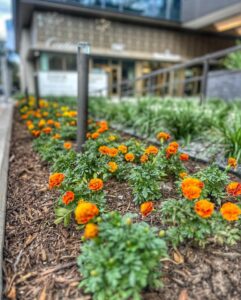
The foundation of any drought-tolerant landscape is the plant palette. Fortunately, Houston has plenty of gorgeous, low-water plants to choose from that also attract pollinators and provide visual interest year-round.
Some top performers include:
• Lantana
• Salvia
• Mexican feather grass
• Purple coneflower
• Esperanza
• Agave
LMC Houston works with commercial clients to design landscapes that incorporate drought-tolerant plants without sacrificing color, texture, or structure.
Irrigation Optimization
Even drought-tolerant plants need some water—especially during establishment. That’s why irrigation strategy is key. Drip systems and smart controllers that monitor weather and soil moisture help conserve water while giving plants exactly what they need.
LMC Houston provides irrigation system upgrades and maintenance to make sure your water is used wisely and efficiently all summer long.
Mulch: A Water-Saving Superhero
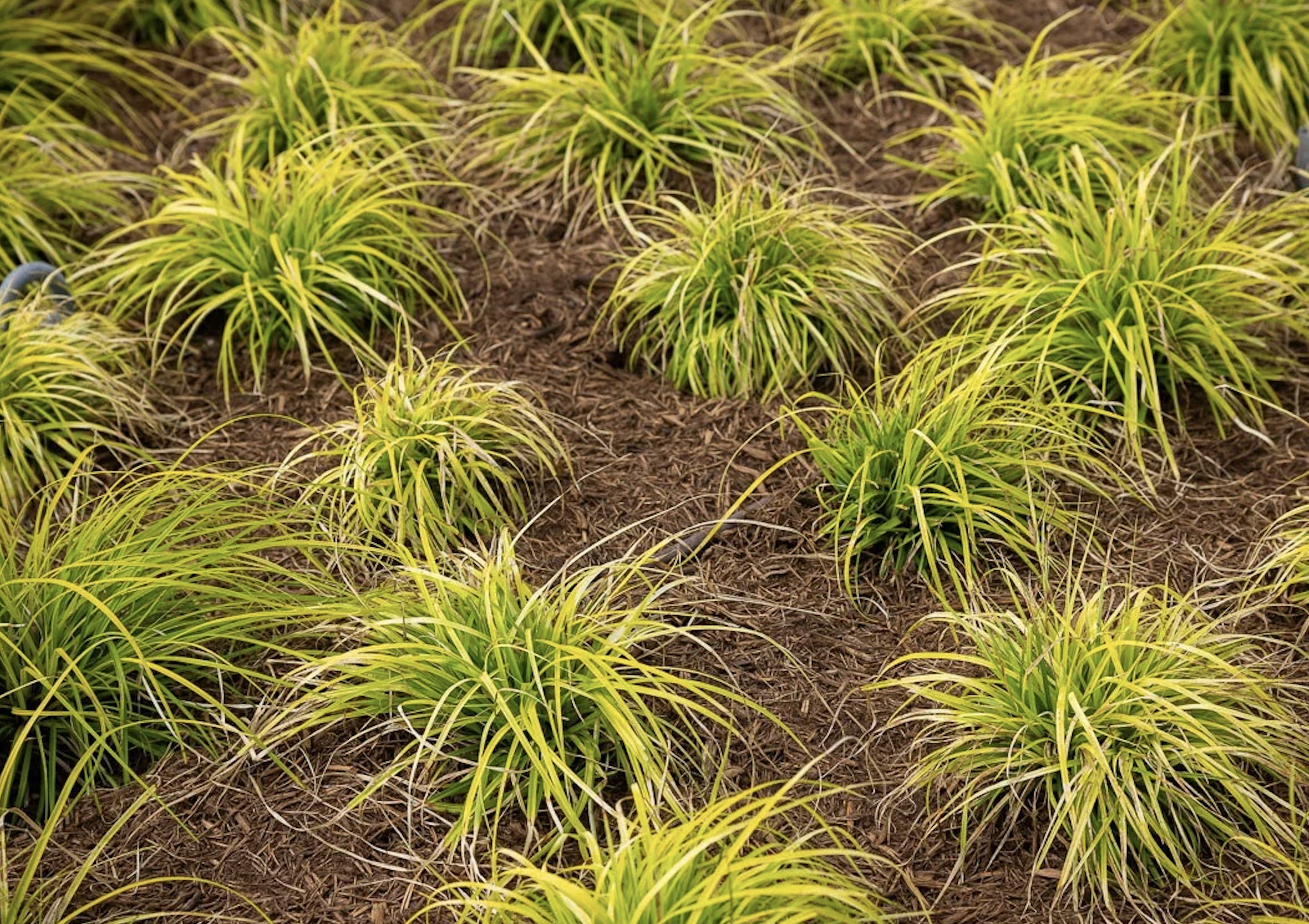
Mulching is essential for water conservation. It protects soil from direct sun exposure, holds moisture, and reduces weeds. Organic mulch, such as shredded hardwood or pine bark, gradually breaks down to enrich the soil, helping plants grow stronger and more self-sufficient over time.
We recommend refreshing mulch in May to prepare your beds for the summer heat.
Turf Alternatives
Traditional lawns are one of the thirstiest parts of a landscape. Replacing areas of turf with drought-tolerant groundcovers, gravel, decomposed granite, or hardscape can significantly reduce your water usage while adding design variety.
Popular low-water turf alternatives in Houston include:
• Asian jasmine
• Frogfruit
• Silver ponyfoot
LMC can help you evaluate where turf is necessary and where more sustainable options can be introduced.
Long-Term Sustainability and Appeal
Drought-tolerant landscapes don’t just save water—they support long-term sustainability and enhance your property’s image. An eco-conscious landscape communicates modern values, appeals to environmentally minded tenants, and positions your business as a community leader in conservation.
With LMC Houston’s guidance, your commercial property can be both beautiful and resource-smart.
Resilient Landscapes Start Here
As we head into Houston’s dry season, now is the perfect time to make strategic updates to your landscape. Drought-tolerant design offers powerful benefits—from lower costs to better plant performance to long-term sustainability.
Let LMC Houston help you rethink your landscape with solutions that work smarter, not harder. Contact us to schedule a consultation or design review today.