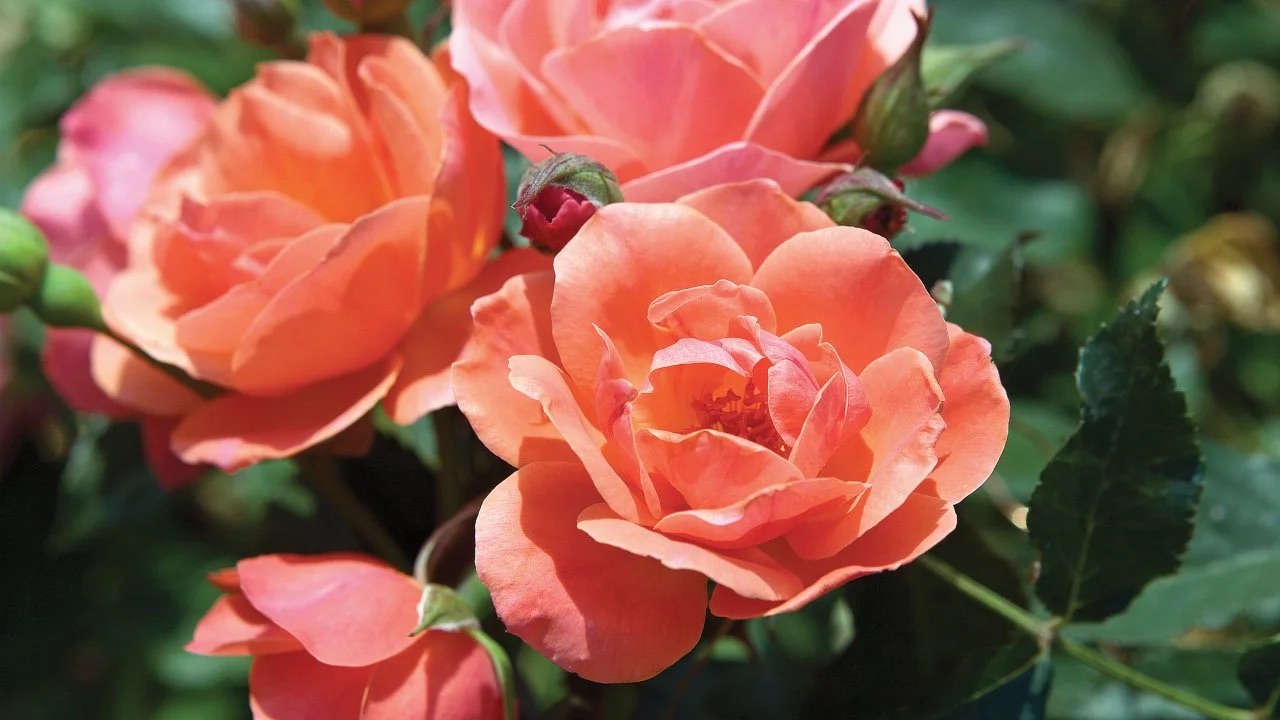
The rose-growing industry in Texas began in the mid to late 1800s in Smith County near Tyler. The first recorded sale of rose plants occurred in 1879, and large-scale commercial production started in the early 1900s. By 1917, the first train carload of roses was shipped. Droughts, freezes, and diseases had destroyed the area’s peach orchards, prompting nurserymen to turn to roses. The climate and sandy loams of East Texas counties proved excellent for rose cultivation, leading to a thriving industry. By 1945, rose production had increased to between ten million and twenty million plants valued at $3.5 million. Tyler, nicknamed the “Rose Capital of the World,” is home to the Texas Rose Festival every October, celebrating this rich heritage.
Roses in Texas: A Valentine’s Day Tradition
Texas has a long-standing tradition of rose production, particularly in the East Texas region. The industry traces its roots back to the late 1800s, with the city of Tyler becoming known as the “Rose Capital of the World.” Over the years, rose production has flourished, particularly in Smith County, where ideal soil and climate conditions have contributed to the success of rose cultivation. While the rose industry is not as large as it once was, Texas still produces millions of roses each year.
During the month of February, roses are in high demand, especially as Valentine’s Day approaches. It is estimated that approximately 5 million roses are sold in Texas during this time, with a significant portion going to florists and retailers for holiday sales. The state’s production of roses ensures that Texans have access to fresh, locally grown flowers that help make the season of love even more special. Whether for gifts, romantic gestures, or adding beauty to landscapes, Texas roses remain a beloved staple.
Roses have long been a symbol of love and beauty, making them a perfect highlight for commercial landscapes—especially since we are in February, the month of love. Beyond their romantic symbolism, roses provide year-round visual appeal, attracting clients and tenants to your property with their vibrant colors and lush blooms. For commercial properties in Houston, Knock Out roses, Queen Elizabeth roses, and Drift roses are excellent choices due to their adaptability to the region’s climate.
But simply planting roses isn’t enough! To maintain their beauty and resilience, property managers must implement proper planting, watering, pruning, and fertilizing techniques. Let’s dive into why these factors matter in Houston’s unique environment and how they can help your commercial landscape flourish.
Choosing the Right Roses for Houston
Houston’s hot, humid summers and mild winters require selecting roses that can thrive in fluctuating conditions. Fortunately, these three varieties are perfectly suited for commercial landscapes:
• Knock Out Roses: Known for their disease resistance and ability to bloom continuously with minimal maintenance, these roses are perfect for high-traffic commercial areas.
• Queen Elizabeth Roses: A classic pink rose with an elegant, tall growth habit that adds a regal touch to any landscape.
• Drift Roses: Compact and low-growing, Drift roses are excellent for borders, walkways, or as ground cover in large landscapes.
Planting for Success
To give roses the best chance at thriving, it’s crucial to plant them correctly. Choose a sunny location with well-draining soil. Raised beds can help prevent waterlogging, a common issue in Houston due to heavy rains. When planting, dig a hole twice as wide as the container and place the bud union about two inches above the ground. Adding bone meal at the base encourages strong root development.
Watering Wisely in Houston’s Climate
Houston experiences sporadic rainfall, meaning roses need a tailored watering schedule:
• Newly planted roses require watering once or twice a week in fall and winter, increasing to every three days in spring.
• Established roses should be watered deeply once a week, with increased frequency in hot weather.
Since different varieties have varying water needs, commercial property owners should consider installing a smart irrigation system for efficient and automated watering.
Pruning for Long-Term Health
Roses should be pruned after the last frost—typically around Valentine’s Day in Houston. This removes dead wood, promotes new growth, and helps shape the plant for a fuller bloom. Pruning also encourages air circulation, reducing the risk of diseases.
Fertilizing for Maximum Blooms
A slow-release organic fertilizer applied monthly helps roses maintain lush, vibrant blooms. However, fertilizing should stop a couple of months before the first frost to allow the plants to naturally prepare for dormancy.
Enhancing Curb Appeal with Roses
For commercial properties, first impressions matter. A well-maintained rose display enhances curb appeal, making office buildings, retail centers, and HOA communities more inviting. Roses also contribute to employee and tenant morale by creating a welcoming, serene environment.
By implementing proper planting and maintenance techniques, commercial property owners can enjoy the timeless beauty of roses while improving their landscape’s overall value.