Few symbols represent the holiday season more universally than the Christmas tree. From glittering ornaments to fragrant evergreen branches, the Christmas tree has become the centerpiece of holiday celebration across homes, businesses, and public spaces. And while the tradition is centuries old, today’s Christmas tree industry, especially in Texas, has become increasingly focused on sustainability, environmental responsibility, and long-term ecological health.
Let’s explore the history of this beloved symbol and the sustainable practices that shape modern Christmas tree production.
Where the Tradition Began
The Christmas tree tradition began in Germany during the 16th century, when devout Christians brought decorated evergreen trees into their homes. Over time, the tradition spread across Europe and eventually to the United States.
The evergreen was chosen for its symbolism of life, resilience, and everlasting hope, especially during the darkest and coldest months of winter.
In the 1800s, German immigrants brought Christmas tree traditions to Texas, where the practice blended with local culture, eventually becoming a staple of holiday décor and celebration.
Christmas Trees in America Today
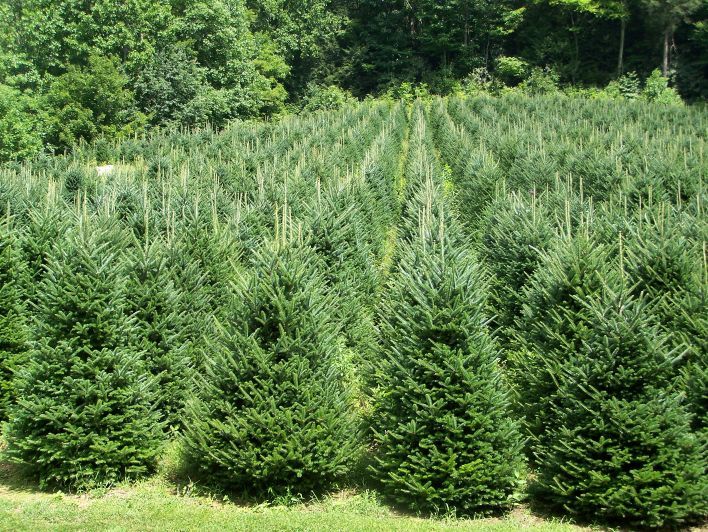
Today, over 25–30 million real Christmas trees are sold annually in the U.S. Contrary to popular belief, real Christmas trees are not cut from wild forests. They are grown on farms, much like produce.
These farms:
• Replant trees annually
• Create wildlife habitats
• Support local and regional economies
• Prevent deforestation by maintaining dedicated growing lands
Texas alone has dozens of Christmas tree farms, with species like Virginia Pine, Carolina Sapphire, and Leyland Cypress thriving in the state’s unique climate.
Sustainability in Christmas Tree Farming
Modern tree farms play an important role in conservation. A single Christmas tree produces enough oxygen for two people and serves as a carbon sink during its lifespan.
Sustainable practices include:
• Replanting programs: For every tree harvested, 1–3 new seedlings are planted.
• Integrated pest management: Reduces chemical use and preserves ecosystem health.
• Soil conservation techniques: Including mulching, wind barriers, and drip irrigation.
• Recycling programs: After the holidays, trees are reused as mulch, compost, or fish habitat structures.
Real Christmas trees are 100% biodegradable, making them a more eco-friendly choice than artificial trees, which can take centuries to decompose.
Christmas Trees in Commercial Landscapes
While Christmas trees aren’t typically planted permanently in Houston commercial landscapes due to climate limitations, the values behind the tradition, greenery, sustainability, aesthetics, and celebration, fit perfectly with commercial landscape goals.
Evergreen shrubs, hollies, and trees with winter structure or berries offer seasonal appeal and longevity for commercial sites.
Final Thoughts: A Celebration Rooted in Nature
The Christmas tree is more than a holiday decoration. It’s a symbol of tradition, history, and sustainability. Today’s Christmas tree industry supports environmental conservation, responsible farming, and local economies, keeping a centuries-old tradition alive in an eco-conscious way.
For commercial properties, incorporating seasonal décor, evergreen plantings, and sustainable landscape practices enhances brand image, supports environmental stewardship, and creates a welcoming holiday experience.
LMC Houston is here to support your landscape’s year-round needs, including holiday enhancements, winter maintenance, and sustainable planning. Let’s keep your property festive, functional, and future-focused this season.