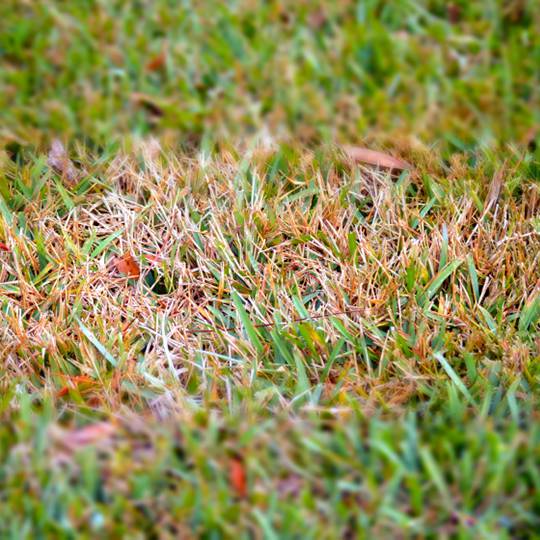
As fall approaches in Houston, the cooler temperatures bring relief from the scorching summer heat, but they also bring an increased risk of lawn diseases. At LMC Houston, we know that preventing lawn diseases is essential to maintaining a healthy, beautiful landscape. Fall is the prime season for certain fungal infections, and if left untreated, they can cause significant damage to your lawn. In this blog, we’ll discuss some of the most common fall lawn diseases to watch out for and how to protect your commercial landscape from them.
1. Black Spot
Black Spot is a common fungal disease that affects many plants, particularly roses, but it can also impact the health of your lawn if nearby vegetation is infected. This disease thrives in cooler, moist conditions, making it a prime concern during fall.
The signs of Black Spot include:
• Dark circular spots: These spots usually appear on the leaves and may have yellow edges.
• Leaf drop: As the disease progresses, infected leaves will turn yellow and fall off, weakening the plant and affecting the overall appearance of your landscape.
While Black Spot primarily affects plants, keeping your lawn free from debris and regularly inspecting your landscape can help prevent the disease from spreading to your turf. Good air circulation and proper watering practices—watering in the morning to allow foliage to dry out—can also help prevent the spread of Black Spot.
2. Powdery Mildew
Powdery Mildew is another fall disease that affects many plants in the landscape, and its spores can easily spread to your lawn. Powdery Mildew thrives in cool, dry conditions and spreads rapidly, leaving your landscape looking unsightly.
Symptoms of Powdery Mildew include:
• White or gray powdery spots: These appear on the leaves, stems, or blades of grass, giving your lawn a dusted or ashy appearance.
• Stunted growth: Affected plants or areas of grass may experience slow or stunted growth due to the infection.
Powdery Mildew weakens plants by blocking photosynthesis, leading to long-term damage if left untreated. To prevent this disease, make sure your lawn and plants receive enough sunlight, and avoid over-fertilization, which can make your lawn more susceptible to infection.
3. Brown Patch
Brown Patch is one of the most notorious fall lawn diseases, particularly in warm-season grasses like St. Augustine and Bermuda, which are common in Houston landscapes. Brown Patch is caused by the Rhizoctonia fungus, and it thrives in cool, damp conditions—especially when night temperatures drop below 70°F but daytime temperatures remain warm.
Symptoms of Brown Patch include:
• Circular brown patches: These can range from a few inches to several feet in diameter.
• Yellowing grass blades: The grass may first turn yellow before dying, creating unsightly patches in the lawn.
• Soft, rotting grass crowns: When Brown Patch is severe, the base of the grass blades can become slimy or rotten.
Preventing Brown Patch requires proper lawn care practices, including managing watering to avoid excess moisture, particularly in the cooler fall months. Aerating your lawn can improve drainage, while timely fertilization can promote healthy grass growth, reducing susceptibility to disease.
4. Take-All Patch
Take-All Patch is another fungal disease that becomes a concern during fall, especially in Houston’s warm and humid climate. It typically affects St. Augustine and Bermuda grass, and while it may initially show up as small patches, it can quickly spread across large areas of your lawn.
Symptoms of Take-All Patch include:
• Thinning or dead patches of grass: These patches may begin small but can expand if not treated.
• Reddish-brown roots: Affected grass may have weakened, discolored roots, making it harder for the lawn to recover.
Take-All Patch thrives in lawns that are stressed due to poor drainage or excessive moisture. Maintaining a balanced fertilization schedule and ensuring proper drainage can help keep this disease at bay. LMC Houston’s proactive irrigation management services can help prevent standing water, which is a common trigger for this type of disease.
5. LMC Houston’s Preventative Maintenance Solutions
At LMC Houston, we understand that the best way to deal with lawn diseases is to prevent them before they take hold. That’s why we offer comprehensive preventative maintenance services designed to keep your landscape healthy year-round.
Irrigation Management: Proper irrigation is key to preventing many lawn diseases. Overwatering or poor drainage can lead to standing water, creating the perfect conditions for fungal infections like Brown Patch and Take-All Patch. Our team will assess your irrigation system to ensure it’s working efficiently, providing just the right amount of water to keep your lawn healthy without encouraging fungal growth.
Regular Monitoring: Our landscape consultants closely monitor your property for early signs of disease. By identifying potential issues early, we can take quick action to prevent them from spreading. This proactive approach saves you time, money, and the stress of dealing with widespread damage.
Aeration and Fertilization: LMC Houston offers aeration services to improve soil drainage and promote healthy root growth, which helps your lawn resist disease. Our customized fertilization plans provide your lawn with the nutrients it needs to stay strong and resilient against disease.
6. Preventing Fall Lawn Diseases Protects Your Investment
A healthy lawn is an essential part of your property’s curb appeal and value. Fall lawn diseases like Black Spot, Powdery Mildew, Brown Patch, and Take-All Patch can compromise your landscape’s health and beauty if left untreated. By working with LMC Houston, you can ensure your lawn receives the preventive care it needs to thrive.
Our team of experts will create a tailored maintenance plan that includes everything from irrigation management and monitoring to aeration and fertilization. This proactive approach keeps your lawn disease-free, ensuring it stays lush and green throughout the fall and into the next growing season.